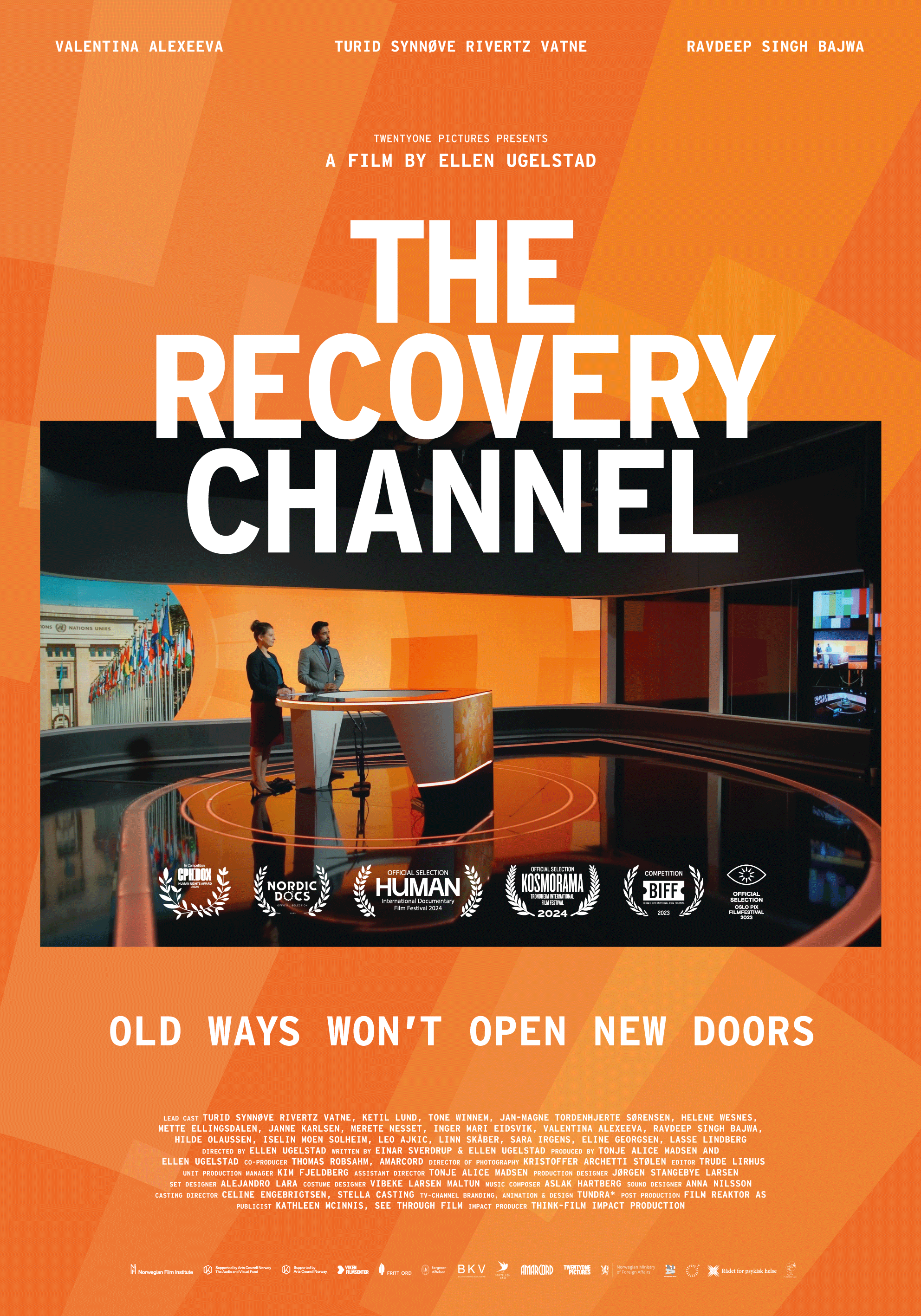
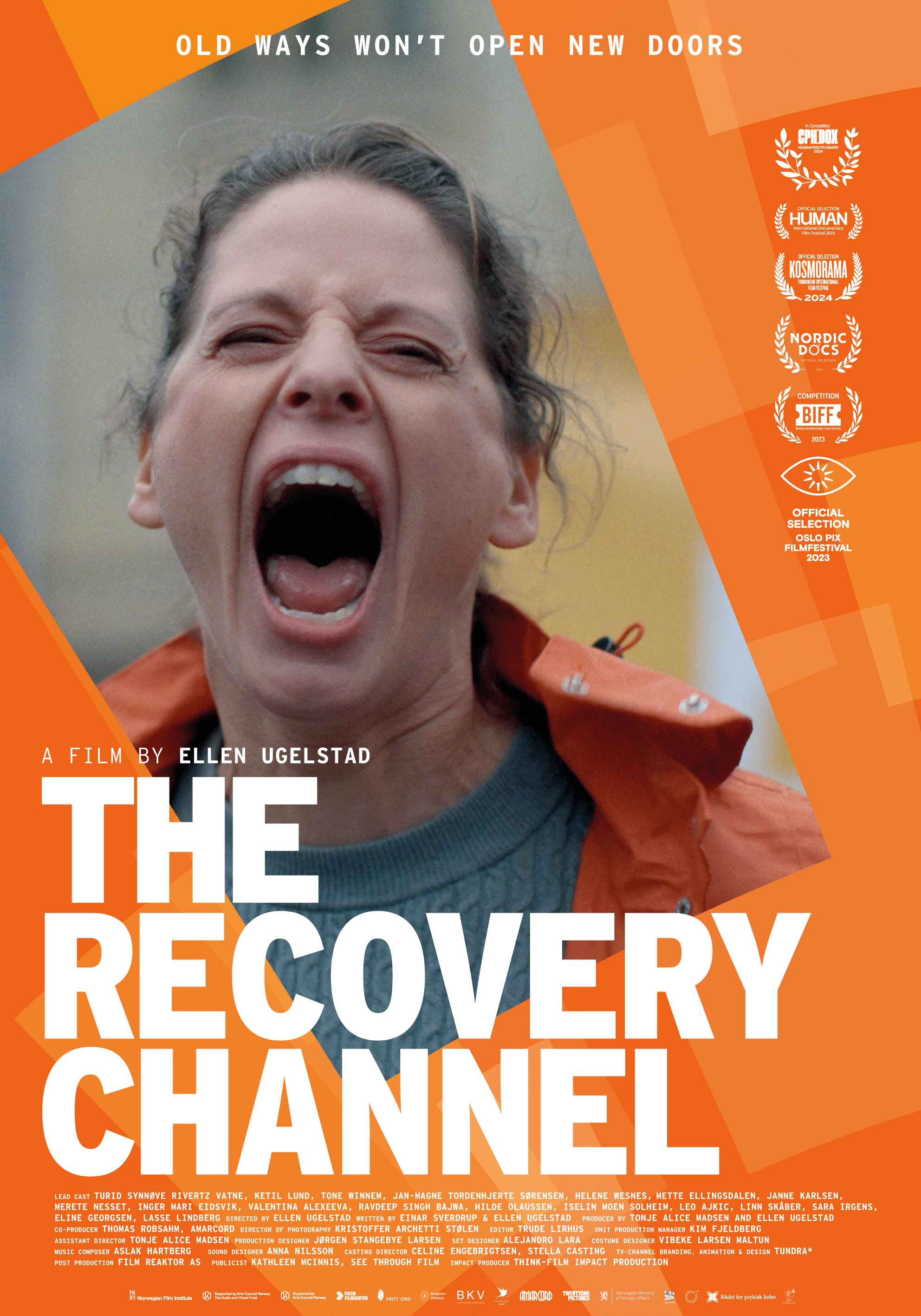
The Recovery Channel
"There is no health without mental health, and there is no mental health without human rights” begins THE RECOVERY CHANNEL. The film subverts traditional documentary structure, delivering authentic voices reflecting unique perspectives on mental health and recovery – while exposing the hypocrisy of modern therapy’s reliance on coercion as a treatment tool.
Hybrid, documentary, drama (2024)
HD 16:9
Duration: 102 min.
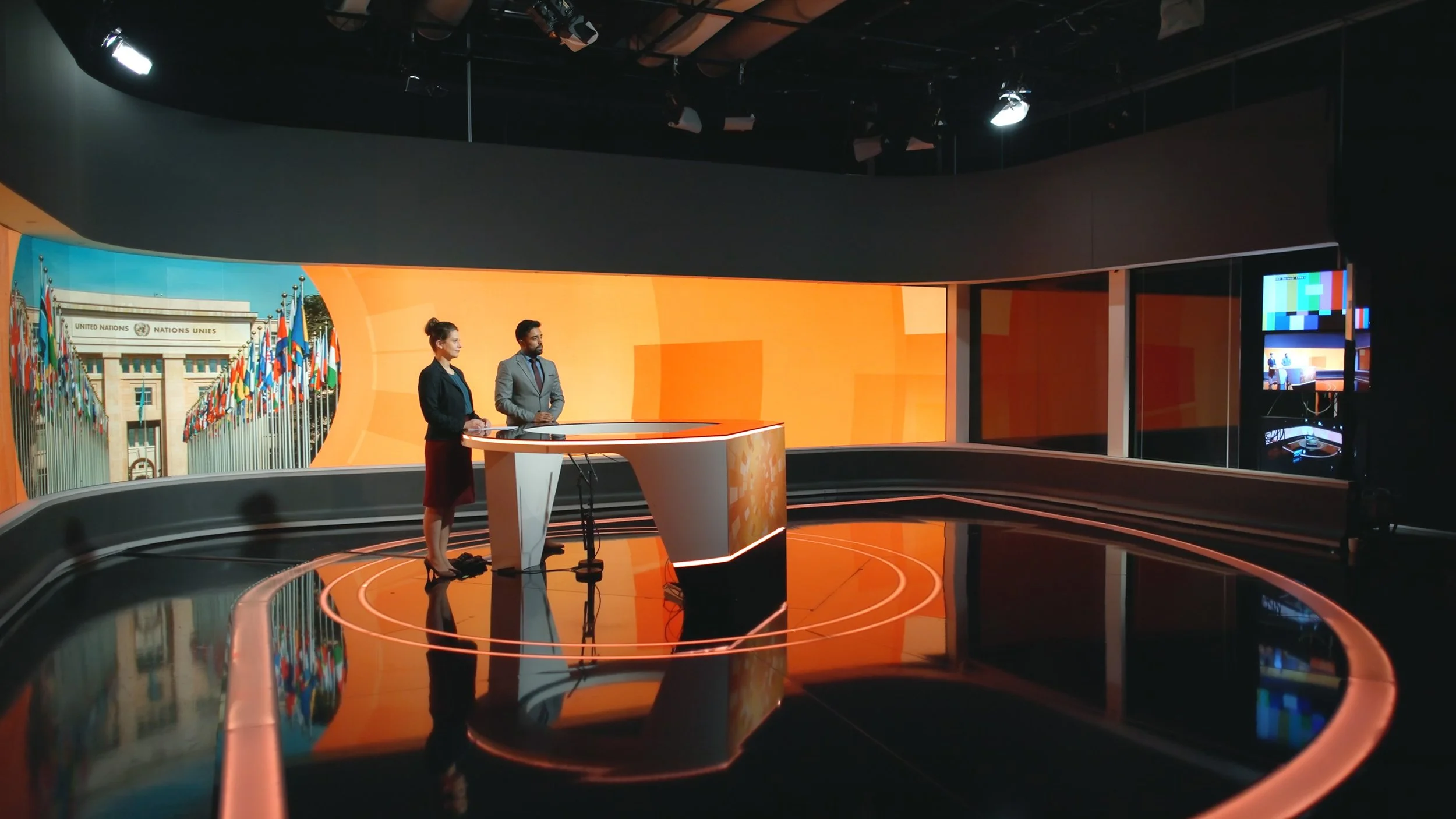

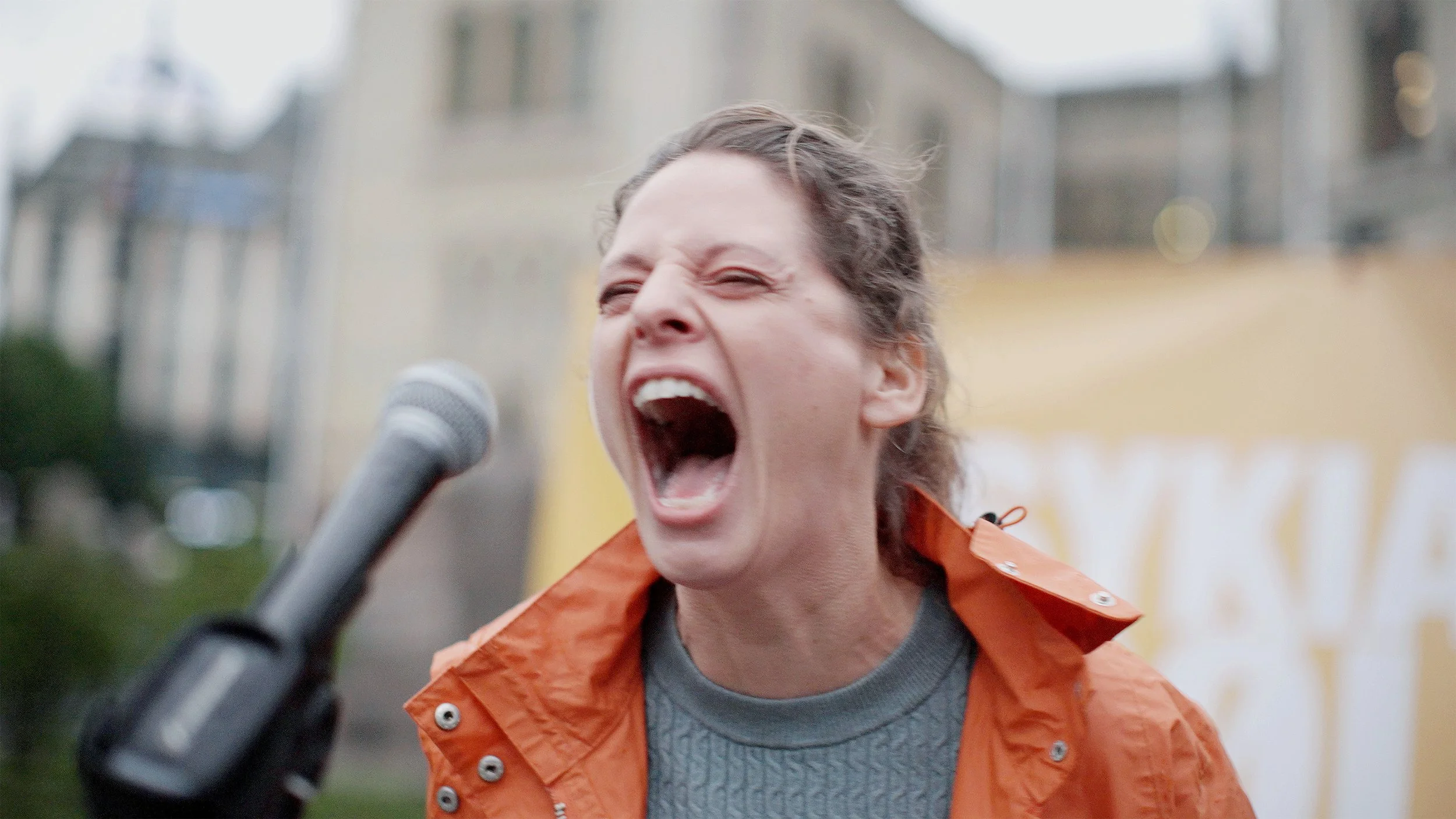
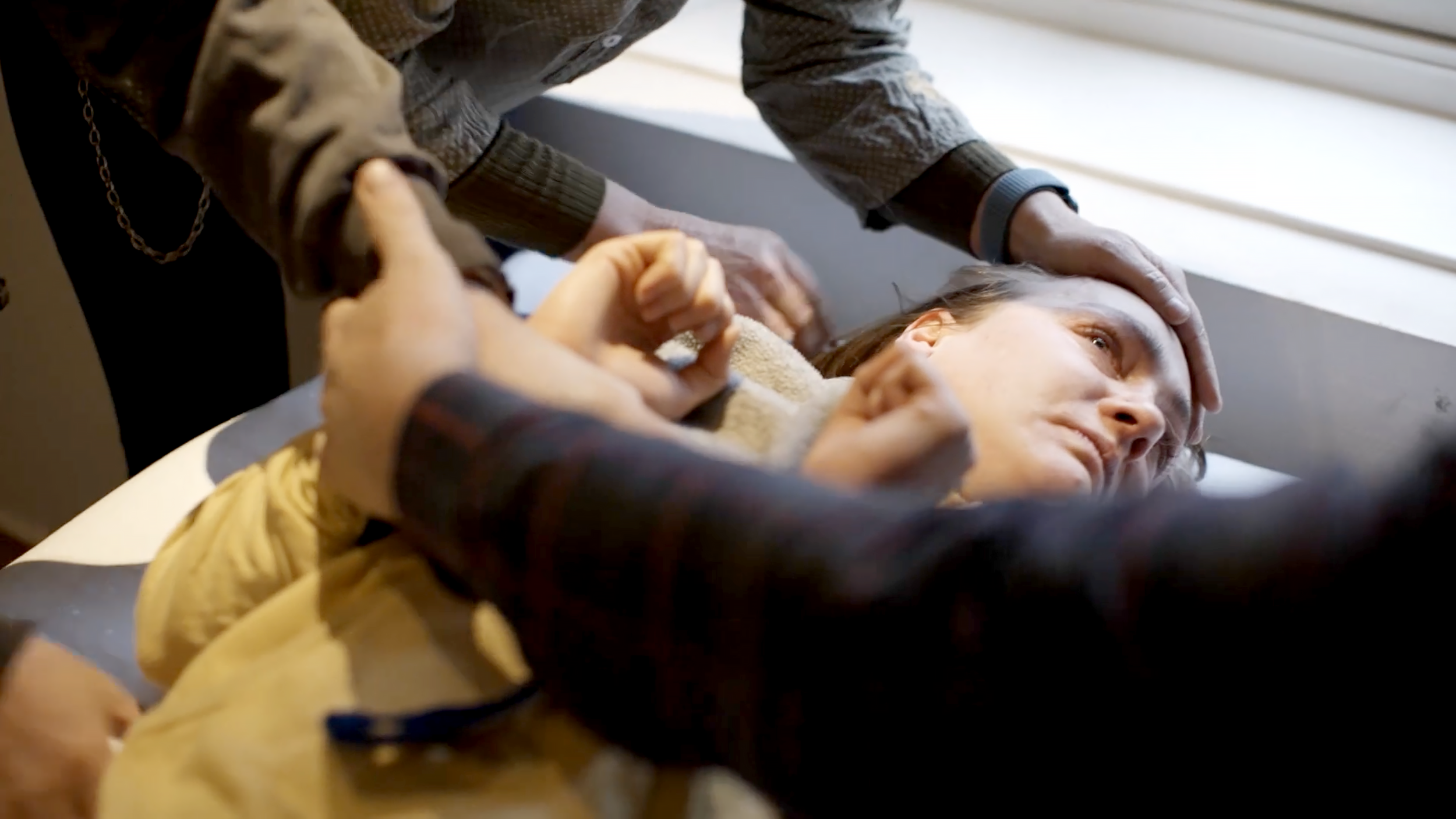
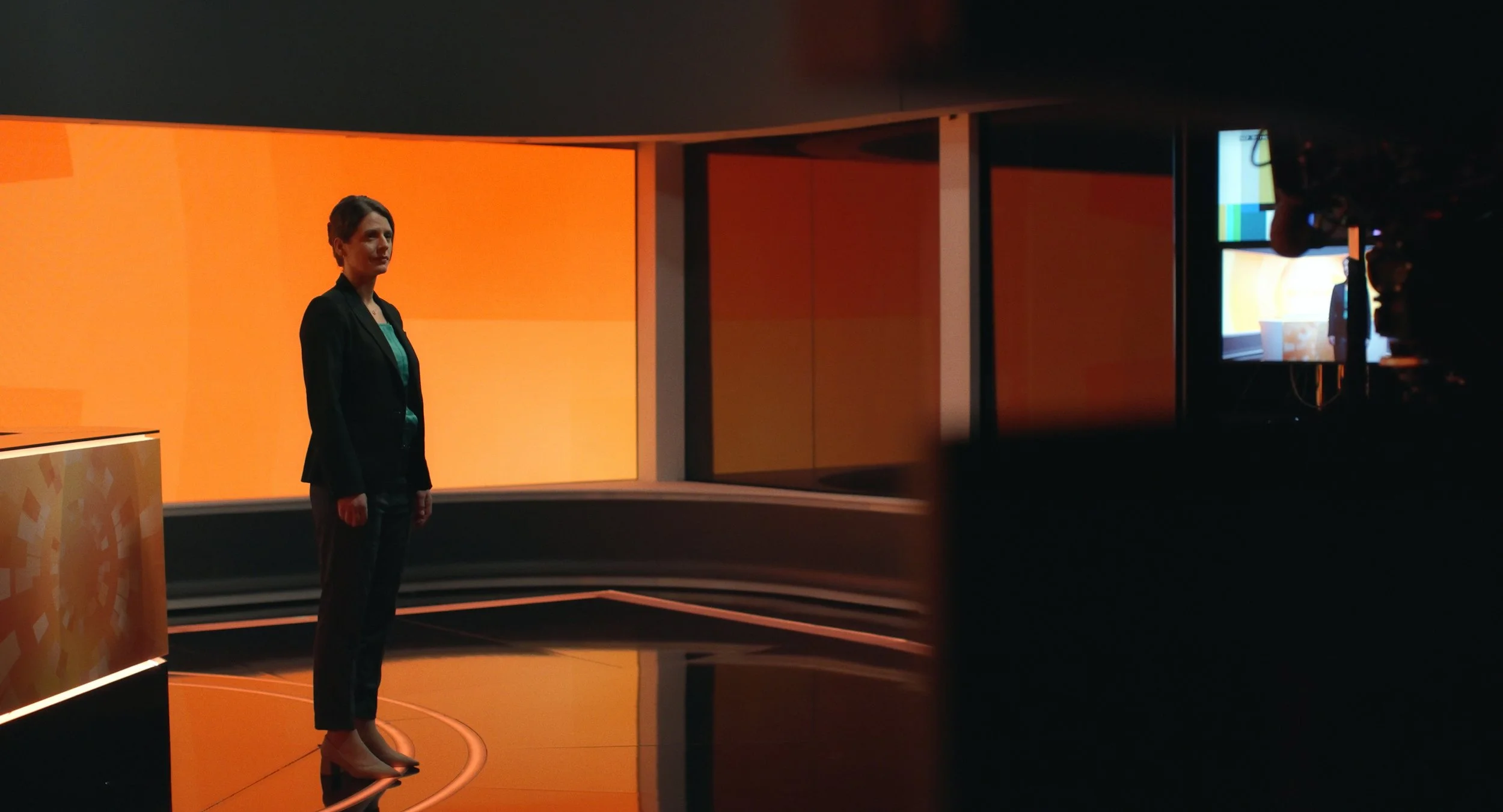
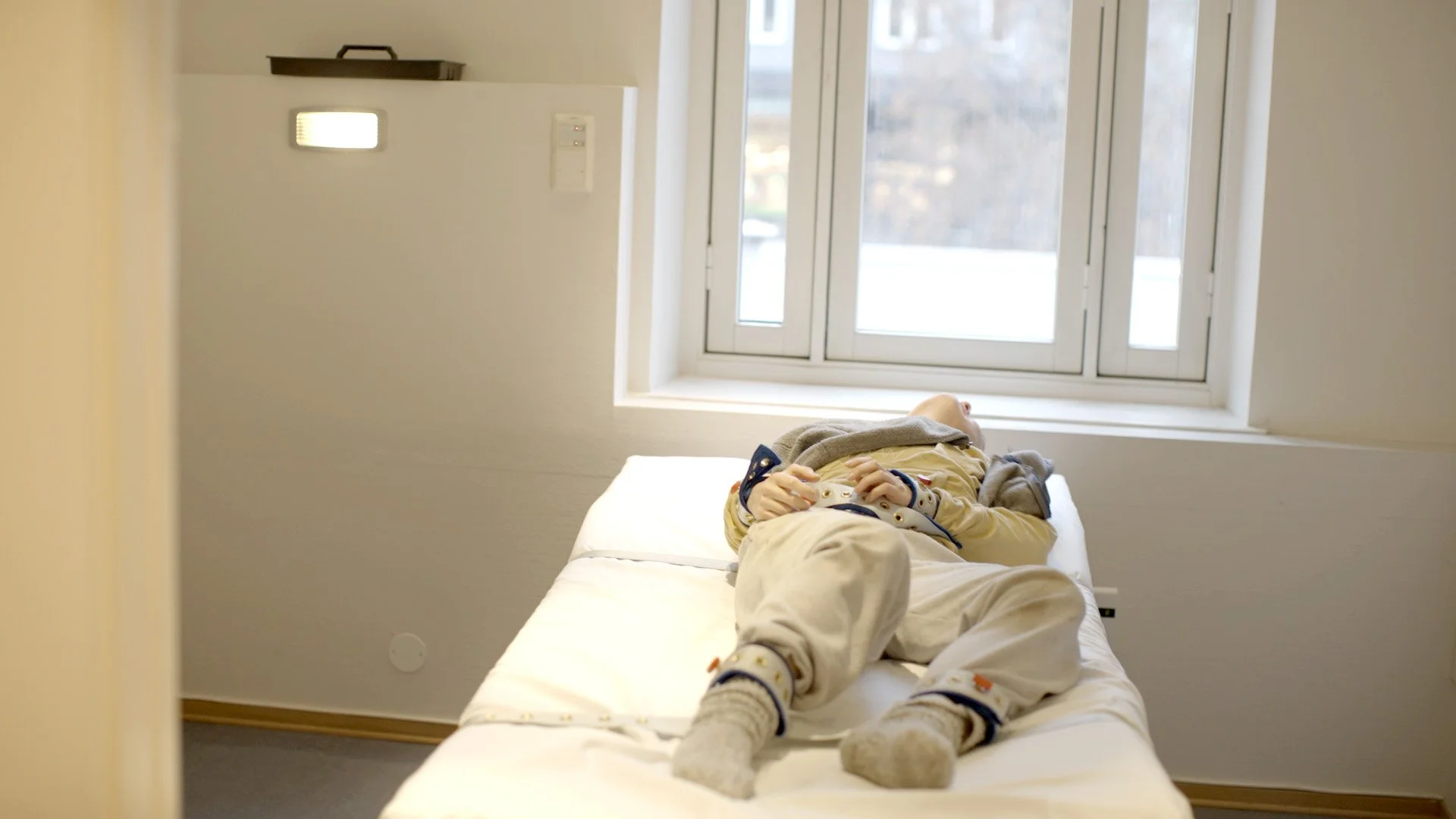
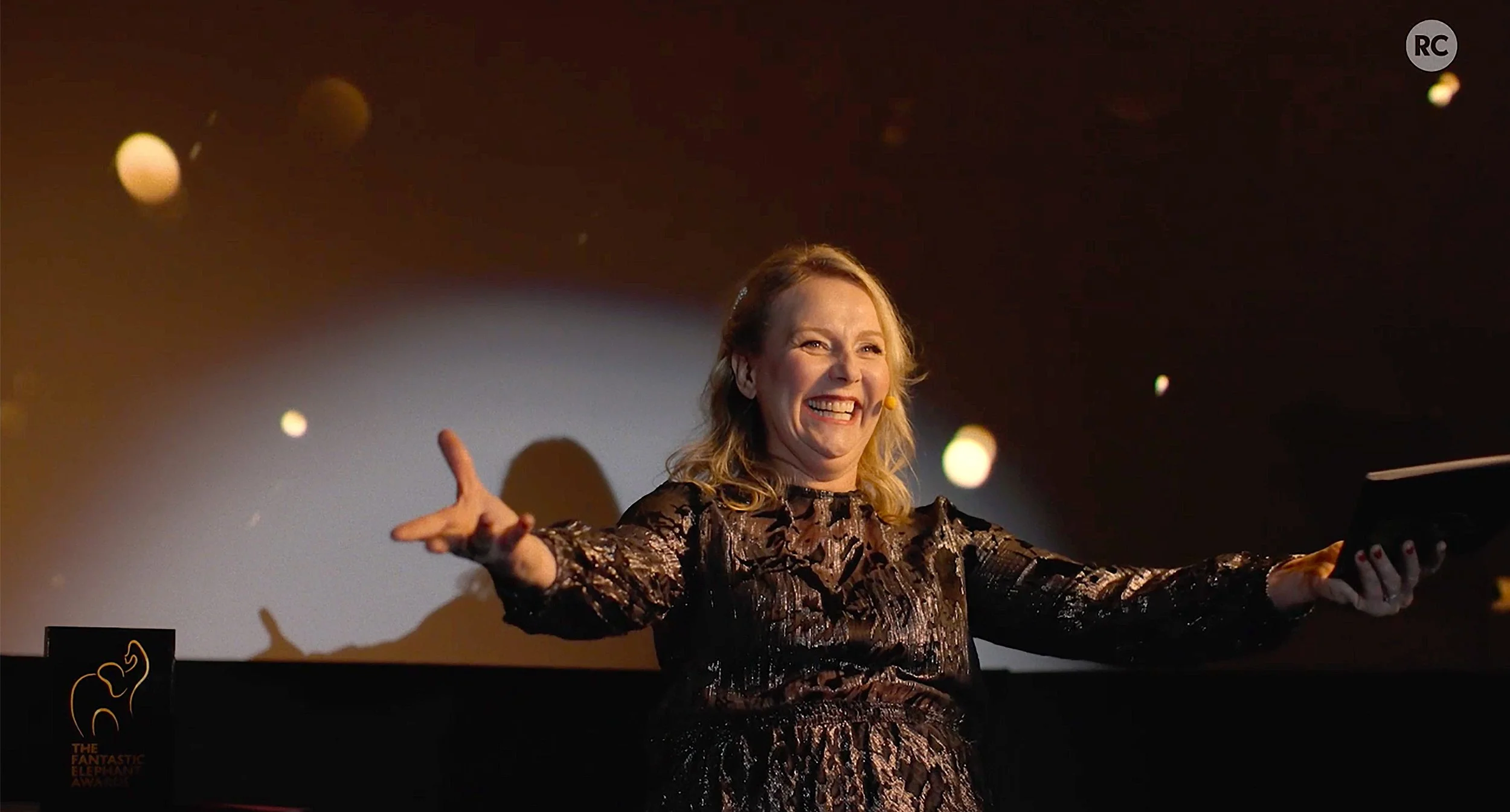
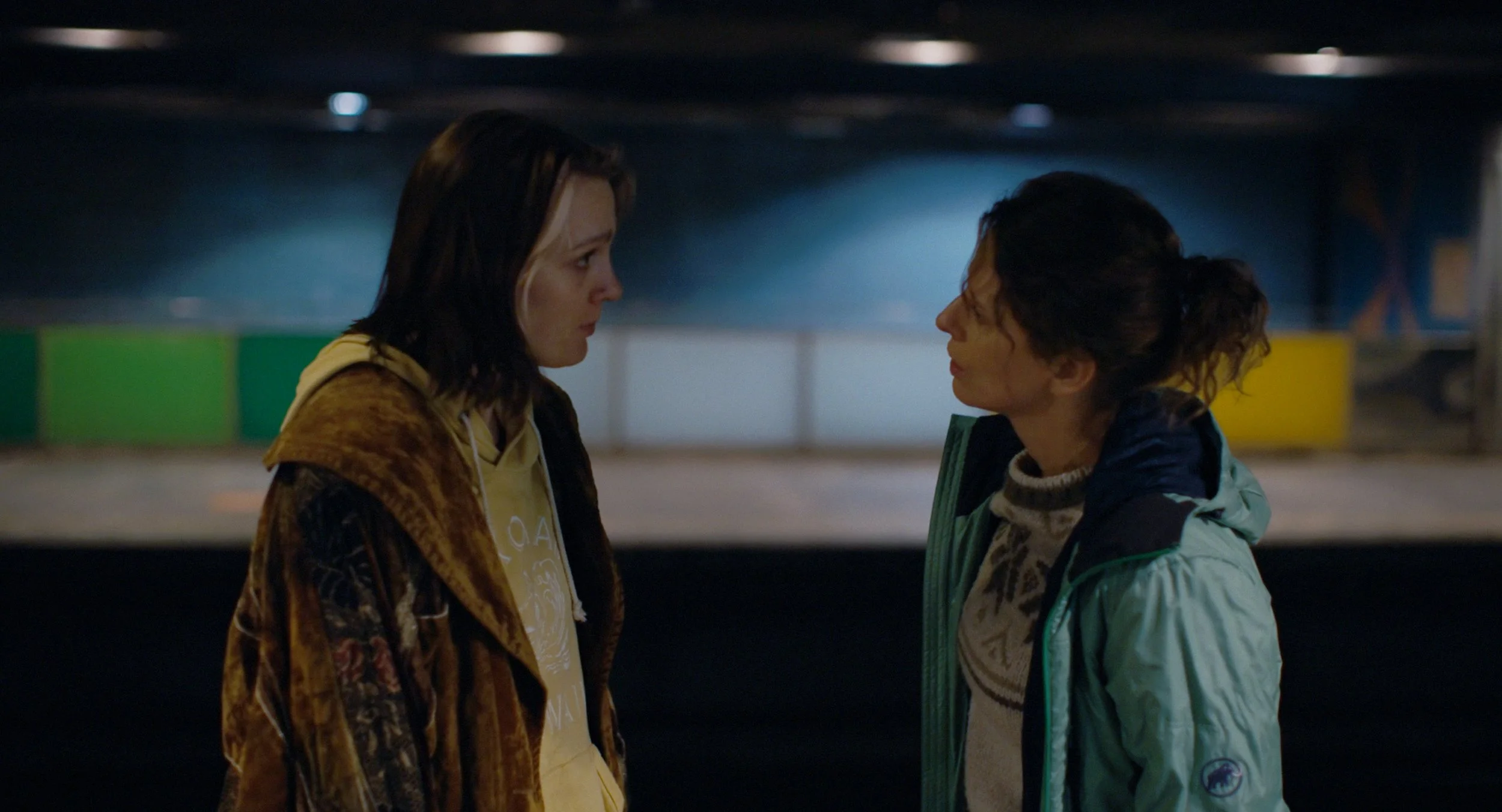
Randi Isaksen, news-anchor at Recovery Channel, is confronted with the daunting realities of flawed mental health systems as she tries to navigate on behalf of her sister.
In THE RECOVERY CHANNEL, filmmaker Ellen Ugelstad blends documentary and narrative storytelling to expose an oppressive system designed to control, not heal, the human condition. Informed by her own family experiences, with a younger brother who has been in and out of psychiatric hospitals for 25 years Ugelstad explore the injustices faced by those with mental health challenges and exposes the use of coercion in contemporary therapy.
Through a humanistic lens, she mirrors the negative impact of an oppressive system, while advocating for the recognition of mental health as a human right rather than an illness.
Credits
Director: Ellen Ugelstad
Script: Einar Sverdrup, Ellen Ugelstad
Cinematography: Kristoffer Archetti Stølen
Editor: Trude Lirhus, Margrethe Vinnem, Erland Edenholm
Composer: Aslak Hartberg
Production Design: Jørgen Stangeby
Produced by: Twentyone Pictures
Cast
Turid Rivertz Vatne
Valentina Alexeeva
Ravdeep Singh Bajwa
Leo Ajick
Linn Skåber
Supported by
NORWEGIAN FILMINSTITUTE (NFI), VISUAL ARTS FOUNDATION (BKV)
FRITT ORD FOUNDATION. THE DAM FOUNDATION, BERGESEN FOUNDATION, VIKEN FILMCENTER, AMARCORD / FILMSKAPERE, THE AUDIOVISUAL FUND, THE ART COUNCIL
Links:
www.recoverychannel.no
Jurystatement (selected)
Human International Filmfestival
Berit Nising Lindeman (Secretary General of the Norwegian Helsinki Committee), Nataša Urban (filmmaker), and Øystein Egge (Festival Director of Movies on War).
The film addresses the use of coercion in mental health care in an original, enlightening, and engaging way. It shows how systematic human rights violations occur, with a significant potential to harm the patients subjected to them. The explicit references to international human rights conventions also make the film highly informative. The blend of documentary and (re)constructed elements works seamlessly, creating many powerful moments.
While the film portrays Norwegian conditions, it is fundamentally international, as the use of coercion is a global practice. It also offers hope by presenting examples that demonstrate it is possible to treat people with mental illness in better ways—without coercion. We join the psychiatry-roar!
We are deeply moved by the filmmaker’s dedication, as she discovers new cinematic forms and repeatedly explores a theme that is so personal to her.
An Honorable Mention goes to The Recovery Channel, directed by Ellen Ugelstad.